
How do I know if I have cataracts?
Published on
Cataracts are a common eye condition, particularly among older people, characterised by clouding of the eye's natural lens. This clouding makes it harder for light to pass through, causing blurred or cloudy vision.
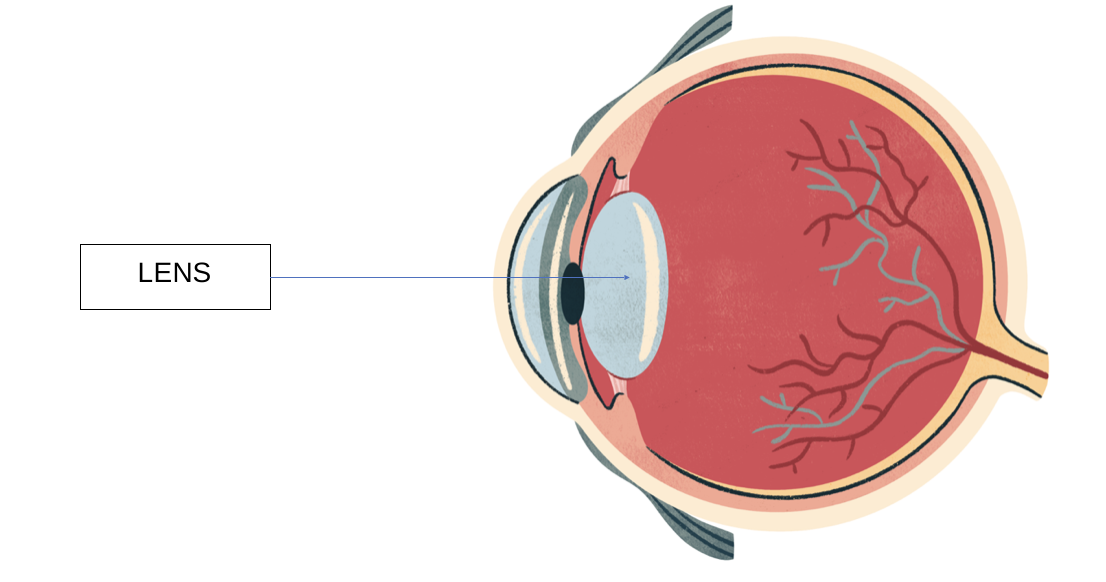
What are cataracts?
The human eye contains a crystalline lens, a natural lens that helps focus light onto the retina, allowing clear vision. Over time, this lens can become cloudy, leading to cataract formation. Although most cataracts develop slowly, they can severely affect vision if untreated.
Facts about cataracts
Cataracts are usually associated with ageing, but other factors can contribute to their development:
- Ageing: The most common cause; as people age, the lens tends to become less flexible, less transparent and thicker.
- Genetic factors: A family history of cataracts can increase the risk.
- Systemic diseases: Such as diabetes, which increases the likelihood of developing cataracts.
- Prolonged sun exposure: Exposure to ultraviolet radiation can damage the proteins in the lens.
- Use of certain medicines: Some medicines, such as corticosteroids, can contribute to cataract formation.
- Eye trauma: Eye injuries can bring on cataracts.
- Lifestyle factors: Such as smoking and excessive alcohol consumption.
Common symptoms
Cataract symptoms may vary according to their size and location in the eye. Some of the most common include:
- Blurred or cloudy vision.
- Sensitivity to light (photophobia).
- Needing brighter light to read or carry out other activities.
- Double vision in one eye.
- Difficulty seeing at night.
- Frequent changes in glasses prescription.
Diagnosis and treatment
Cataracts are diagnosed through a comprehensive eye examination, including assessment of visual acuity and examination of the lens using an ophthalmoscope or slit lamp.
The main treatment for cataracts is surgery, especially when vision is severely affected. During surgery, the cloudy lens is replaced with an artificial intraocular lens (IOL). This procedure is safe and is usually performed as a day case. Most patients experience a significant improvement in vision after the operation.
Prevention and care
Although cataracts cannot always be prevented, certain measures can reduce the risk:
- Wear sunglasses that block UV rays.
- Maintain a diet rich in antioxidants.
- Avoid smoking.
- Control chronic diseases, such as diabetes.
Cataracts are treatable, and with appropriate intervention it is possible to restore affected vision.
If you experience cataract symptoms, please consult us. At Clínica Castellote, we are here to help and provide the advice you need. We are available to answer your questions.
See also our information about Cataracts.
Please follow us on Facebook and Instagram to learn much more about your vision. You can also read our latest articles on the blog, where we discuss different eye conditions, symptoms and treatments.