
Do you know what amblyopia, or lazy eye, is?
Published on · Updated on
Amblyopia is a vision disorder that develops during childhood and affects the brain's ability to process visual information from one eye correctly. If not treated in time, it can lead to permanent vision loss in the affected eye.
Below, we explore what amblyopia is, its causes, symptoms and treatments, and advice for parents and carers.
What is amblyopia?
Amblyopia occurs when the brain favours information from one eye over the other, causing the less-used eye to become weaker. As a result, vision in that eye does not develop properly and, if untreated, there may be a significant difference in visual acuity between the two eyes.
Causes of amblyopia
The main causes of amblyopia include:
- Squint: Deviation of an eye that is not correctly aligned.
- Uncorrected refractive errors: When one eye has a significantly greater refractive error than the other, such as myopia, hyperopia or astigmatism.
- Obstruction of vision: Conditions such as congenital cataracts, drooping eyelids (ptosis) or any other condition that blocks light from entering the eye.
Symptoms of amblyopia
Symptoms can be difficult to detect, especially in young children, who are often unaware of the difference in vision between their eyes. Signs to look out for include:
- One eye turning inwards or outwards.
- Difficulty seeing objects at a distance or close up.
- Excessive blinking or closing one eye.
- Lack of coordination between the two eyes.

Diagnosis
Early diagnosis is crucial and is made through a comprehensive eye examination. Ophthalmologists can identify amblyopia using tests that assess visual acuity, eye alignment and refraction. Children are recommended to have their first eye examination at around 3–4 years of age.
Treatment for amblyopia
Treatment for amblyopia is most effective when started at an early age. The most common methods include:
- Glasses: To correct refractive errors.
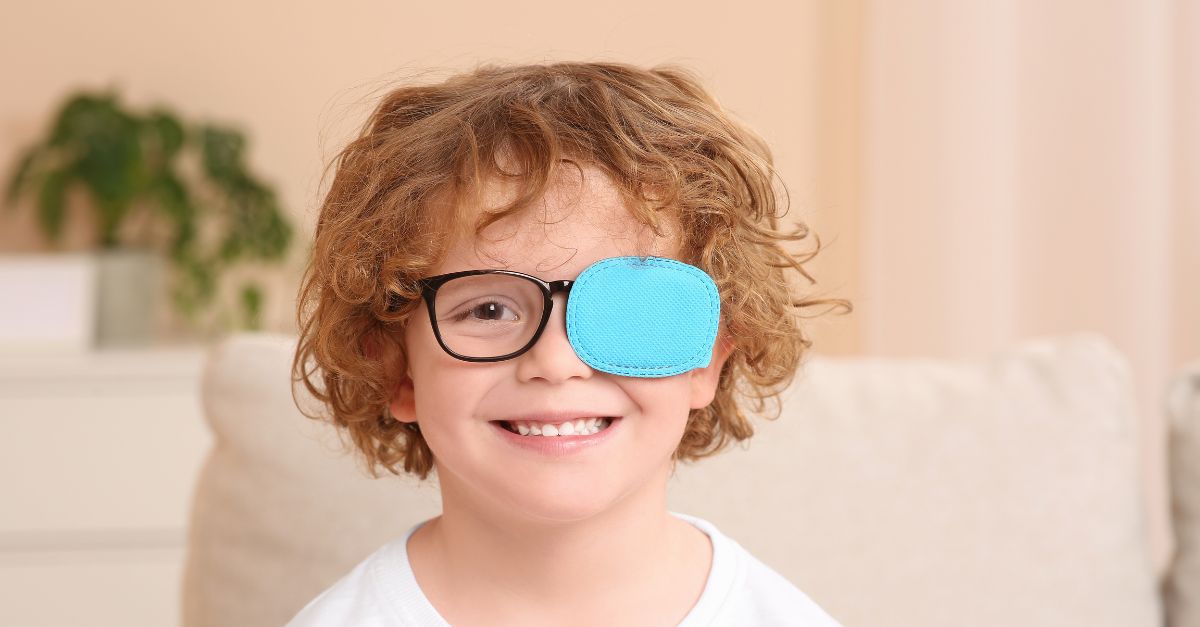
- Eye patch: Covering the dominant eye with a patch to make the weaker eye work and develop its visual ability.
- Eye drops: Used to temporarily blur vision in the stronger eye.
- Vision therapy: Personalised exercises that help improve the coordination and function of the affected eye.
Advice for parents and carers
- Do not ignore the signs: If you notice any signs of amblyopia in your child, consult a paediatric ophthalmologist as soon as possible.
- Follow the treatment exactly: Consistency is key to successful amblyopia treatment. If your child needs an eye patch, make sure they wear it for the prescribed amount of time.
- Encourage visual activities: Games requiring focus and coordination can be very helpful for the affected eye.
Conclusion
Amblyopia is treatable if detected in time. Early intervention is crucial to ensure that visual development is as normal as possible. By understanding its causes, symptoms and treatments, parents and carers can help children overcome this vision disorder and have healthy vision in the future.
See also our information about Children's ophthalmology: lazy eye and squint.
Please follow us on Facebook and Instagram to learn much more about your vision. You can also read our latest articles on the blog, where we discuss different eye conditions, symptoms and treatments.