
Have you heard of platelet-rich plasma?
Published on
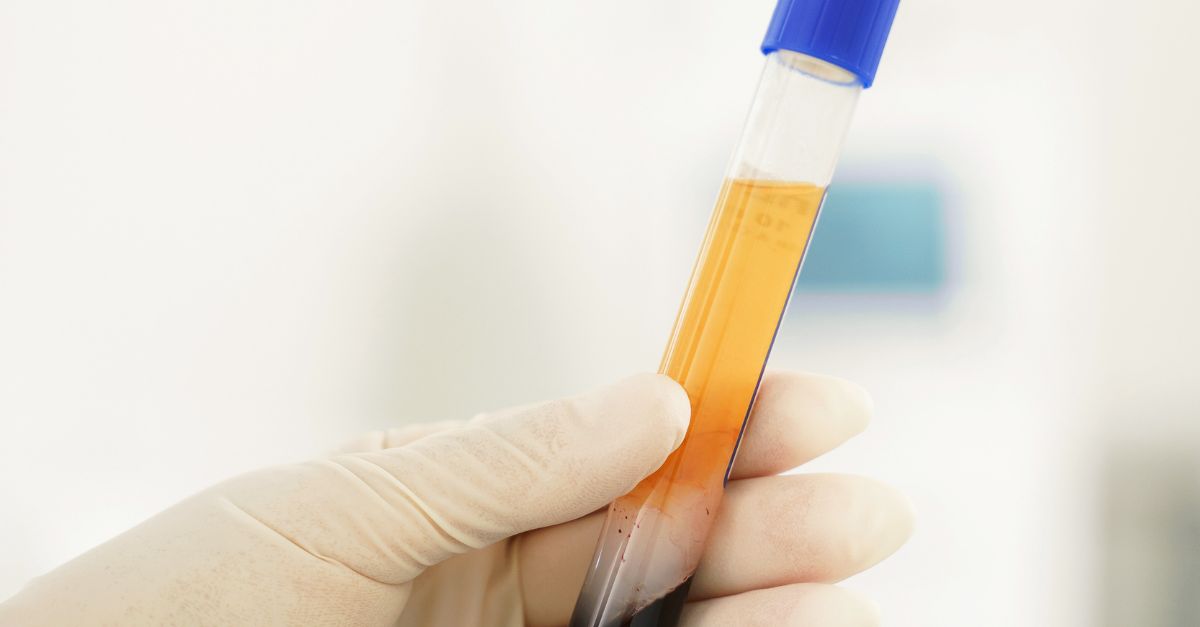
Platelet-rich plasma, or PRP, is a substance obtained from the patient's own blood and is therefore completely biocompatible. It forms part of regenerative medicine, providing the components needed for the patient's own tissues to heal or recover.
Its clinical applications are based on the release of growth factors from platelets and the secretion of proteins that trigger and accelerate wound healing. It differs from similar substances in having no leucocytes, a characteristic that allows it to modulate inflammation and promote regeneration without inducing fibrosis or scarring.
It currently has many applications, which in ophthalmology can be divided into three groups:
Aesthetics
Micropunctures stimulate the natural production of collagen and elastin. The result is firmer, more radiant skin.
Retina
It is a fundamental part of treating lesions such as macular holes and myopia-related macular changes, and its use in degenerative conditions such as type 2 macular telangiectasia is being studied.
Cornea
An effective, safe alternative for treating certain diseases of the ocular surface, such as corneal ulcers, dry eye syndrome and post-LASIK syndrome, for restoring tear function and even as a bioadhesive. It repairs tissues on the eye's surface, stimulates cell proliferation and optimises healing and tissue regeneration. It is indicated for eye conditions involving damage to the surface tissues that can regenerate with growth factors, such as moderate and severe dry eye, conditions affecting corneal innervation, persistent epithelial defects (a group of conditions leading to ulceration or shedding of the corneal surface) and different types of corneal injury, including recurrent keratitis, corneal ulcers, burns, abrasions and accidental wounds. It has also shown effectiveness in treating ocular surface problems secondary to glaucoma eye drops.

-
Conclusion
To obtain platelet-rich plasma, a blood sample is taken from the patient in a quantity similar to a routine blood test. It is then centrifuged to separate the platelets and obtain their optimal concentration, producing a substance with a high concentration of growth factors. The product is then handled differently according to its intended use for the individual patient. For example, for dry eye treatment, it is placed in a special oven to obtain multiple doses of eye drops that the patient can take home and apply conveniently; for macular hole treatment, it is taken to the operating theatre and activated with calcium chloride to obtain a semi-solid clot.
This is very good news, particularly for patients with moderate and severe dry eye, a common condition in our setting, as they now have an effective, convenient and safe treatment.
Please follow us on Facebook and Instagram to learn much more about your vision. You can also read our latest articles on the blog, where we discuss different eye conditions, symptoms and treatments.