
Diabetic retinopathy and macular oedema: what are they and how are they treated?
Published on · Updated on
Diabetic retinopathy and diabetic macular oedema (DMO) are two of the most serious complications that can affect people with diabetes, putting vision at risk if not detected and treated in time. Understanding what they are, how they develop and their treatments is essential for anyone seeking to maintain eye health.
1. What is diabetic retinopathy?
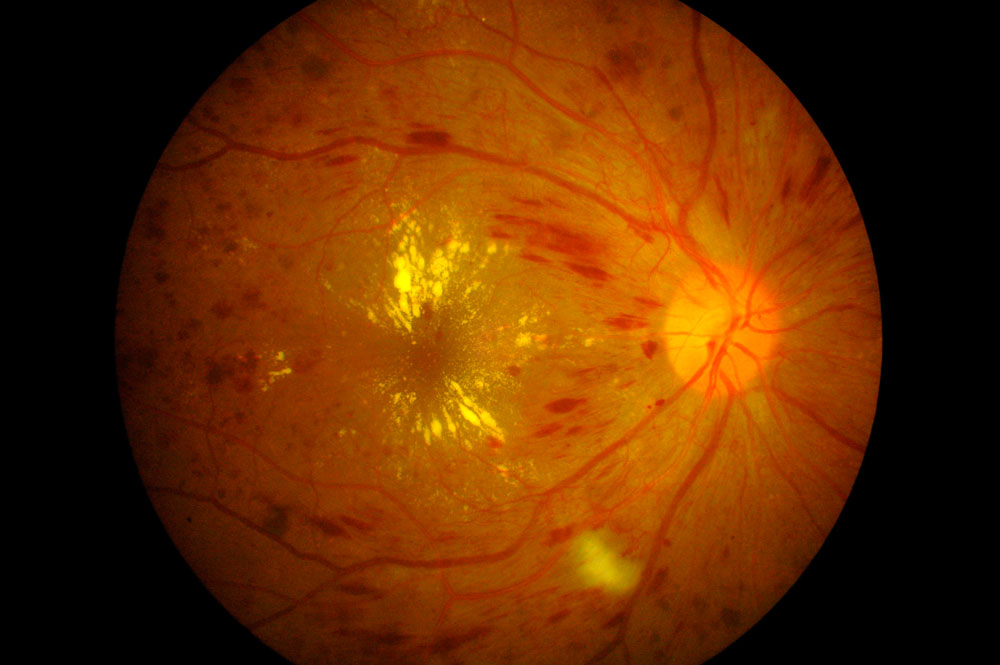
Diabetic retinopathy is a disease of the retinal blood vessels caused by poorly controlled diabetes. High blood glucose levels damage these small vessels, making them fragile and prone to microaneurysms (dilations), blockages and leakage of blood or fluid.
There are two main types of diabetic retinopathy:
- Non-proliferative retinopathy: the early stage, when microaneurysms and small haemorrhages may appear. Although symptoms may be mild, detecting it at this stage is crucial to prevent progression.
- Proliferative retinopathy: an advanced stage in which the retina tries to form new blood vessels to compensate for the lack of oxygen. However, these vessels are weak and can cause haemorrhage or even retinal detachment.
2. What is diabetic macular oedema (DMO)?
Diabetic macular oedema occurs when damaged retinal blood vessels allow fluid to leak and accumulate in the macula, the central part of the retina responsible for sharp, detailed vision. This fluid build-up causes swelling and affects central vision, making tasks such as reading, driving or recognising faces more difficult.

3. Causes of diabetic retinopathy and DMO
Both conditions are related to:
- Poor glucose control: high blood sugar levels over long periods damage retinal blood vessels.
- High blood pressure: high blood pressure increases the risk of eye damage.
- Duration of diabetes: the longer someone has diabetes, the greater the risk of developing these complications.
4. Treatments for diabetic retinopathy and DMO
Thanks to medical advances, several effective treatments are available for diabetic retinopathy and macular oedema. The main treatments include:
- Intraocular anti-VEGF injections: these medicines block vascular endothelial growth factor (VEGF), a protein that promotes the growth of abnormal new blood vessels. They are injected directly into the eye to reduce oedema and improve vision.
- Laser photocoagulation: laser therapy is used particularly in proliferative retinopathy. A laser is applied to affected areas to seal leaking blood vessels and prevent new ones forming. Although it does not restore lost vision, it reduces the risk of serious complications.
- Vitrectomy: in advanced cases, when there is bleeding into the vitreous humour or retinal detachment, a vitrectomymay be performed. In this procedure, the vitreous humour is removed and replaced with a special solution to restore the eye's structure and vision.
- Control of blood glucose and blood pressure: maintaining stable glucose and blood pressure levels is essential to prevent or slow the progression of retinopathy and DMO.
5. Prevention and eye care
Good prevention is key to avoiding these eye complications. Regular ophthalmic examinations and control of blood sugar levels, as well as maintaining normal blood pressure, are essential to prevent diabetic retinopathy from progressing.
6. Conclusion
Diabetic retinopathy and macular oedema are serious complications of diabetes, but with early diagnosis and appropriate treatments, it is possible to maintain a good quality of life and protect vision.
Please consult us if you have diabetes, to prevent or treat any eye problem in time. See also our information about Diabetic retinopathy.
Please follow us on Facebook and Instagram to learn much more about your vision. You can also read our latest articles on the blog, where we discuss different eye conditions, symptoms and treatments.